Heat, Armour and the Long British Summer: Specifying Duty Kit for a Warmer Beat
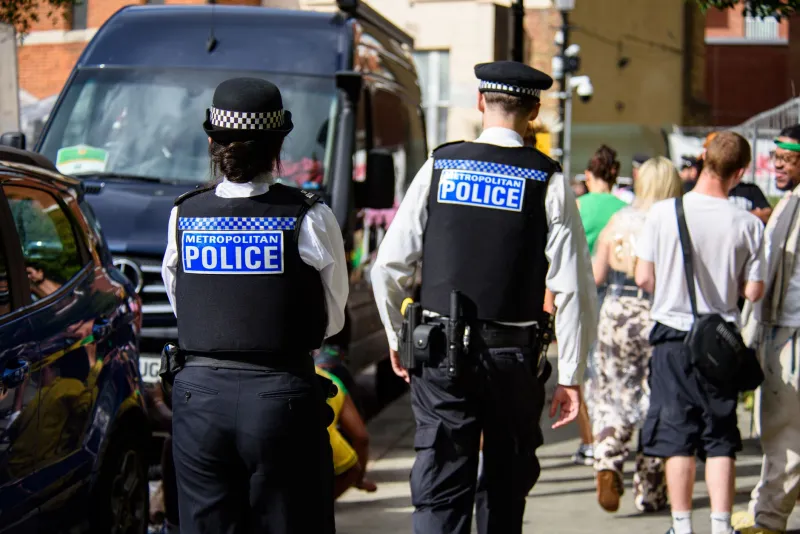
For most of the history of UK policing, hot weather has been treated as an inconvenience: a few uncomfortable weeks, a permission to remove a tie, a reminder to drink water. That framing no longer holds. Successive summers have produced sustained periods above thirty degrees across large parts of England and Wales, and the operational picture has shifted accordingly — more outdoor public order deployments, more welfare incidents, more officers treating a warm shift as a stamina test rather than a routine tour.
Buyers cannot change the weather. They can change what is specified. The following is a practical agenda for anyone writing a summer duty kit requirement in 2026.
Treat Heat as a Design Condition
The first and cheapest improvement is conceptual. A specification that lists a winter weight and a summer weight, with the latter defined purely by the removal of a lining, is not a heat specification. It is a description of a lighter garment.
Summer performance should be written as a condition in its own right, with measurable wants attached: air permeability, thermal resistance under a sweating hotplate method such as ISO 11092, drying time, and moisture management. These are standard test methods; suppliers can provide data. If they cannot, that is itself an answer.
The Armour Layer Is the Problem
Every other garment in the stack can be made lighter. Body armour cannot be made to disappear, and it is the single largest contributor to heat strain on a warm shift. A carrier that meets the ballistic requirement and traps a layer of still air against the torso will produce sweat irrespective of what is worn beneath it.
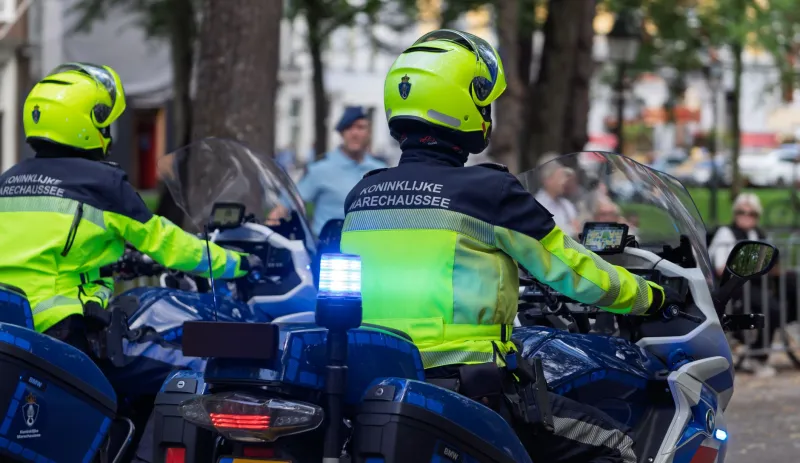
Three things are worth specifying. First, carrier construction: spacer mesh, ventilation channels and open-cell padding at the shoulders and back all improve air movement, and suppliers now market these features explicitly. Second, shirt choice: a close-fitting technical base layer that wicks and dries moves moisture away from the skin far better than a loose cotton shirt gathered beneath a carrier. Third, and most often overlooked, the covert-versus-overt question — where the role permits, an overt carrier that spreads load and ventilates is usually the better summer garment.
Buyers should also insist on honest weight and thickness figures. A carrier that has been quietly lightened is not automatically better; it may simply have been thinned where the protection mattered.
Write the Fabric Down
The specification should name fabrics and constructions rather than adjectives. "Breathable" is a marketing word; a named weave with a stated air permeability figure is a requirement.
In practice, the useful moves are unremarkable:
- Base layers in synthetic or merino blends with flat seams, worn close to the skin, with a stated moisture-wicking test result.
- Shirts with a mechanical stretch and a mesh back panel, avoiding heavy poly-cotton where weight and drying time matter.
- Trousers with a lighter fabric weight, vented cargo pockets and, where policy allows, a convertible leg.
- Outer layers that are genuinely packable, so that a shower layer is carried rather than worn as insurance against a downpour that never comes.
Each of these is a line in a document, not a conversation with a rep.
Hydration Is a Kit Item, Not a Break
Officers on a cordon in July need water at hand, not at the end of a walk back to a station. Yet hydration is still frequently treated as a welfare concession rather than a piece of equipment.
What a specification can do is provide for it: a dedicated, cleanable bottle pouch that fits the duty belt without conflicting with the baton or radio; a vehicle-mounted cool box in the load bay; and, for pre-planned events, a stocked water point that forms part of the deployment plan. On a public order deployment, the ability to carry a litre of water matters more than most of what is on the belt.
The Colour Question
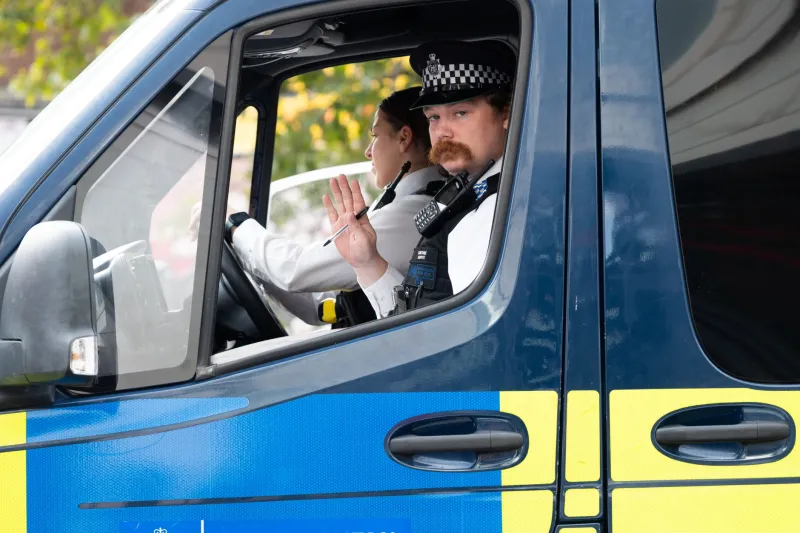
Dark navy and black absorb heat, and UK police uniforms are almost universally dark. This is a legitimate trade-off — dark colours hide dirt, project authority and photograph consistently across forces — but it is a trade-off that should be acknowledged rather than ignored.
Where there is discretion, summer variants should favour lighter shades in the layers closest to the skin and in under-garments, since a light technical base layer beneath a dark outer shell is significantly cooler than a dark one. For outer layers, a lighter hi-vis vest rather than a dark jacket is an obvious and often under-used option. Forces considering a summer-specific uniform variant should test it in the field rather than in a photograph.
Heat Illness Is a Training and Kit Problem Together
No specification substitutes for the crew culture around hydration, rotation and early recognition of heat exhaustion. But kit enables behaviour. If water is awkward to carry, it will not be carried. If a base layer is uncomfortable, it will be removed and the officer will wear cotton instead. If the vest cannot be adjusted for fit, it will be worn loose and will chafe.
A Specification for 2026 and Beyond
The practical asks for buyers this year are modest and mostly achievable within existing frameworks: a defined summer weight with real thermal data, a carrier with demonstrable ventilation features, a specification for close-fitting technical base layers, a belt-mounted hydration pouch as standard, and a lighter hi-vis outer option for warm-weather deployments.
None of these are radical. All of them are cheaper than a serious heat illness, and considerably cheaper than the operational failure of a summer that the kit was never designed to survive.