Eight Hours in February: Why the Thermal Base Layer Is the Most Underrated Item on the Kit Sheet
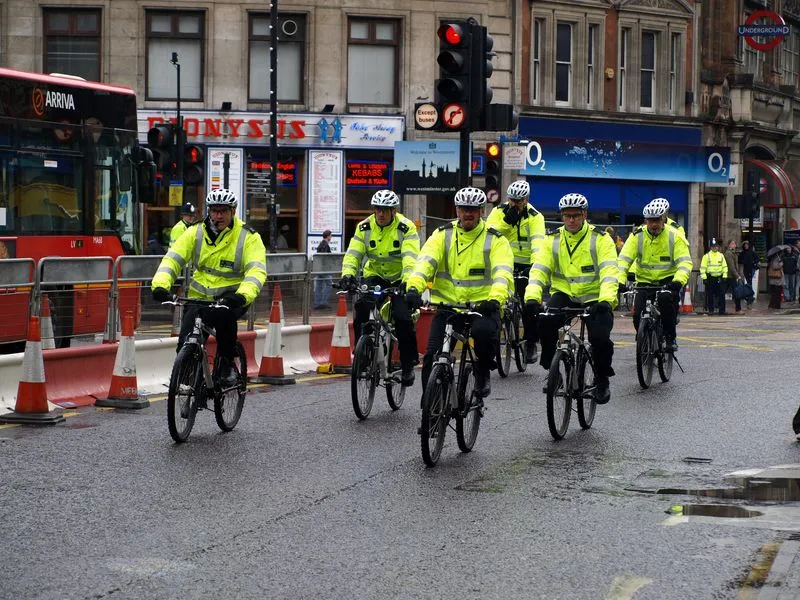
Photo: West Midlands Police from West Midlands, United Kingdom, CC BY-SA 2.0, via Wikimedia Commons
Ask any response officer what they wore on a February night shift and the answer rarely begins with the hi-vis. It begins with what was underneath it. Yet when procurement teams audit uniform spend, the thermal base layer is routinely treated as an afterthought — a commodity item ordered by the dozen, judged by unit price and nothing else.
This is a curious inversion. Body armour, boots and outerwear all attract trials, framework tenders and committee sign-off. The garment worn for eight consecutive hours against the skin, in conditions that range from a drizzly M-way layby to a sub-zero custody suite, is bought on a spreadsheet column.
What a Base Layer Actually Has to Do
Strip away the marketing and a thermal base layer has four jobs. It must retain warmth when the wearer is static — a common state on nights, whether in a vehicle on a rolling roadblock or guarding a cordon. It must move moisture away from the skin when the wearer is not static, because pursuit, foot contact and restraint work generate heat quickly. It must sit flat and unobtrusive beneath body armour, which imposes pressure points at the shoulders and sides. And it must survive industrial laundering dozens of times without shrinking, pilling or losing shape.
No single garment excels at all four without compromise. But some fail at all four, and those are the ones chosen purely on cost.
Fabric: The First Filter
The market broadly splits into three families.
Merino wool offers excellent temperature regulation and natural odour resistance — a genuine consideration on a four-day stretch of earlies. Its weaknesses are cost, durability and laundering sensitivity. A merino layer at £60 that holes at the elbow in three months is not better value than a synthetic at £20 that lasts a year.
Synthetics — polyester and polypropylene blends — wick well, dry fast, shrug off repeated hot washes and cost little. Their flaw is odour retention, which matters less on a shift pattern than marketing suggests, and their tendency to melt under contact with heat. For officers in roles with fire or pyrotechnic exposure, inherently flame-resistant synthetics should be non-negotiable.
Hybrid blends pair merino against the skin with a synthetic outer face, aiming to capture the benefits of both at a mid-range price. They are often the sensible middle path for general patrol use.
The correct answer varies by role. A control room may never need a thermal layer at all; a rural beat officer in the Scottish Borders needs something quite different from a city-centre response team.
The Armour Compatibility Question
Here is the test most specifications omit: put the garment on, put the armour carrier over it, then sit in a vehicle for forty minutes. Does the base layer bunch at the shoulder? Does a seam sit directly under the armour plate edge, creating a pressure point that becomes a genuine distraction by hour six?
Flat-lock seams, a longer body cut to prevent ride-up, and a slim fit through the torso are not luxuries. They are the difference between a layer that disappears and one the wearer is constantly adjusting. Any trial that evaluates base layers without armour fitted over them is not trialling the garment as it will actually be worn.
Laundering Is the Real Cost Driver
A base layer's true cost is not its ticket price; it is its price divided by the number of shifts it survives. A force-issue garment will face 60°C washes, tumble drying and occasional industrial processing. Fabrics that hold their wicking capability and shape through fifty cycles are worth a meaningful premium over those that degrade in fifteen.
Buyers should demand a stated wash-cycle rating in tenders, and should sample-test rather than trusting supplier claims. A simple cost-per-shift comparison — unit price divided by realistic garment life — frequently reverses the ranking produced by a procurement sheet sorted by price ascending.
Skin Health Is Not a Soft Issue
Irritation, fungal infections and dermatitis from non-breathing synthetic layers worn against damp skin for long shifts are an occupational health matter. They generate lost time, GP visits and quiet misery. A base layer that manages moisture is doing preventive medical work. Framing it that way in a business case tends to get attention that comfort arguments do not.
A Short Framework for Buyers
For forces and authorised buyers reviewing this category:
- Specify by role, not by rank. Rural patrol, response driving and custody have different thermal demands.
- Trial with full kit. Armour, carrier, duty belt and outer shell on before any judgement.
- Demand wash-cycle data. Then verify it independently with a small sample batch.
- Evaluate cost-per-shift, not cost-per-unit.
- Include wearers in the trial. The officer on hour seven of a night shift knows things a specification sheet does not.
The base layer will never headline a procurement review. It does not need to. It merely needs to be bought with the same deliberate attention given to the kit layered above it — because the officer standing in a frozen layby at three in the morning will feel the difference long before the spreadsheet does.