Home Ground Advantage: Inside the Push to Bring Police Kit Manufacturing Back to Britain

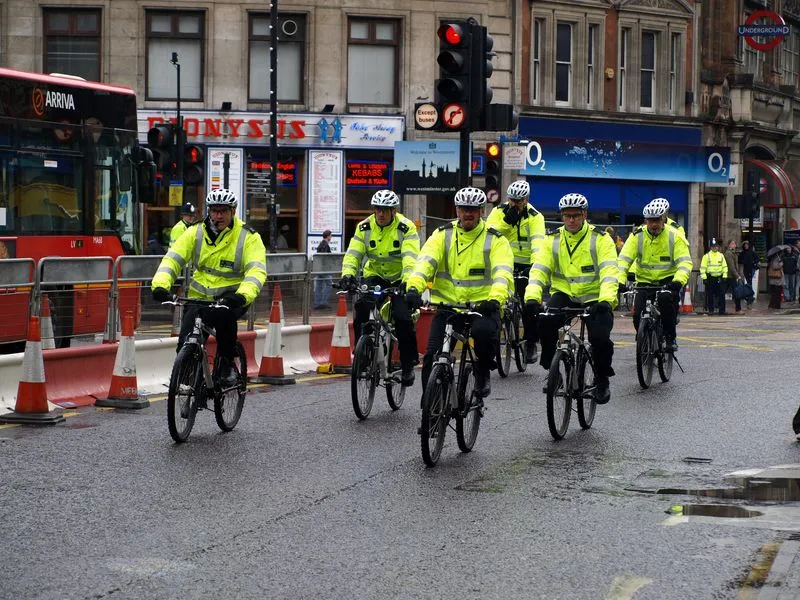
Photo: Lewis Clarke, CC BY-SA 2.0, via Wikimedia Commons
Why Resilience Moved Up the Agenda
The last five years have not been kind to procurement departments that relied on single-source overseas supply. Pandemic factory closures, shipping container backlogs, Red Sea disruption, and post-Brexit customs friction have all conspired to turn a six-week reorder cycle into a six-month wait. For forces that found themselves rationing hi-vis jackets or waiting on body armour carriers, the lesson was expensive and memorable.
The result is a growing institutional appetite for domestic supply — and a quiet expansion of UK manufacturing capacity to meet it.
Who Is Actually Making Kit in Britain
The domestic base is broader than commonly assumed. Specialist belt and duty-gear workshops in the West Midlands have picked up contracts from forces seeking shorter lead times and the ability to modify designs mid-run. Webbing and load carriage manufacturers in the North of England now supply both police and private security buyers, often leveraging capacity originally built for Ministry of Defence orders.
High-visibility outerwear tells a similar story. Lancashire mills that once wove predominantly for rail and construction PPE have adapted reflective fabric and garment assembly to police specification, offering forces the option of a fully traceable British-made jacket rather than an imported one relabelled at a distribution depot.
What the Premium Actually Buys
Domestic manufacture rarely comes cheap. Buyers should expect to pay somewhere between 15 and 40 per cent more for comparable British-made items, depending on volume and specification.
What that premium purchases is tangible: lead times measured in weeks rather than quarters; the ability to specify changes — pocket placement, closure types, colourways — without a transoceanic tooling process; and resilience against currency swings and freight disruption. It also buys accountability. A factory two hours' drive away can be audited in person, which matters for ethical sourcing and quality assurance in a way that a supplier questionnaire never quite achieves.
Whether that premium is justified depends on the item. For high-turnover consumables, the cost gap is hard to defend. For load-bearing equipment, armour carriers, and anything officer safety depends on, the case for domestic supply is considerably stronger.
Are 'Made in Britain' Mandates Viable?
Some forces and police and crime commissioner offices have explored weighting tenders toward UK manufacture. The practical constraints are real: domestic capacity, while growing, cannot yet absorb total demand across all kit categories, and rigid mandates risk narrowing competition and inflating prices.
The more workable model is a resilience-weighted evaluation — scoring supply chain security, lead time guarantees, and manufacturing location within quality and value assessments, rather than imposing an outright requirement. This rewards domestic suppliers where it matters without excluding competitive overseas options entirely.
How Smaller Suppliers Win Approved-List Status
For small UK manufacturers, breaking into force procurement remains the hardest step. The barriers are administrative as much as commercial: accreditation paperwork, framework access, and simply being known to the right procurement contacts.
Successful entrants tend to share a few characteristics. They hold the relevant product certifications before approaching buyers, not after. They are willing to start with small pilot orders or a single item line rather than demanding a full catalogue listing. And they collaborate — joining consortia or working through established distributors to reach multiple forces at once.
A Balanced Ledger
Reshoring is not a panacea, and buyers who abandon global supply chains entirely will trade one set of risks for another. But the past five years have demonstrated that resilience has a price — and that, for certain categories of police kit, it is a price worth paying. The task for procurement teams is knowing which items belong in which column.