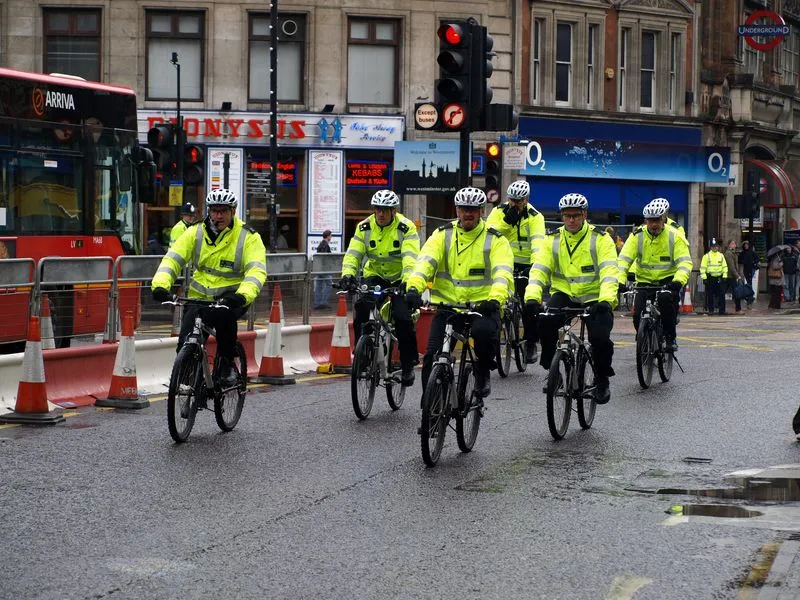
The True Price of Patrol Boots: A Cost-Per-Wear Reckoning for UK Officers

Photo: Adam Jones, Ph.D. / Adam Jones from Kelowna, BC, Canada, CC BY-SA 3.0, via Wikimedia Commons
The £40 Trap
Every autumn, the same pattern repeats across custody suites and response hubs from Glasgow to Portsmouth. An officer buys a budget boot for forty quid, wears it through October's drizzle, and by mid-December the stitching has given up at the flex point. A second pair is purchased before the shift allowance is spent, and the total outlay quietly doubles.
The arithmetic is unforgiving. A £40 boot that lasts five months of full-time patrol costs £8 per month. A £140 boot that survives three years of the same duty costs under £4. Cost-per-wear, not shelf price, is the only metric that matters — and yet procurement decisions are still made on the former.
What a Year Actually Does to a Boot
UK patrol work is uniquely hostile to footwear. We walk further than most European counterparts — Home Office data has long suggested response officers cover six to nine kilometres on a typical urban shift. Add standing time at cordons, hospital escorts and court waits, and a boot may see 2,000 hours of use a year.
Then there is the climate. A British year cycles a boot through standing water, road salt, chalky summer dust and the particular menace of a January pavement that is simultaneously frozen and wet. Budget adhesives fail fastest in this cycle: the sole-to-upper bond softens in wet heat, then cracks in hard frost.
Sole Types and Where They Work
- Rubber commando-style soles grip well on wet flagstones and grass verges but can feel clunky on station lino and slip on polished custody floors.
- Lugged tactical outsoles excel off-pavement — useful for rural beats and moorland forces — but mud-clog between buildings and wear quickly on concrete.
- Flat, oil-resistant soles are the quiet heroes of urban policing and security work: reliable on wet paving, station corridors and garage forecourts alike, at the cost of less grip on soft ground.
Match the sole to the posting, not the catalogue photo. A response officer in Birmingham and a rural beat officer in Cumbria do not need the same boot.
What the Allowance Stretches To
Forces vary widely, but typical uniform or footwear allowances run between £60 and £150 annually for operational staff. That figure sits awkwardly between the budget and premium tiers — enough to rule out the truly cheap end, not enough for top-spec boots without topping up.
The sensible strategy for most officers is a mid-range boot (£110–£160) with a stitched or welted sole, resoled or replaced every two to three years. Premium boots earn their keep for specialist roles — firearms, mounted, public order — where duty time and hard use compress the payback period.
The Verdict
Buy once, buy mid-to-premium, and budget for maintenance: wax, laces and a cobbler's resole cost less than a second pair of disposables. By Christmas, the officer who spent £140 in September will still be dry, comfortable and ahead on the ledger. Their colleague in the £40 boots will be back on the website — buying the same problem again.