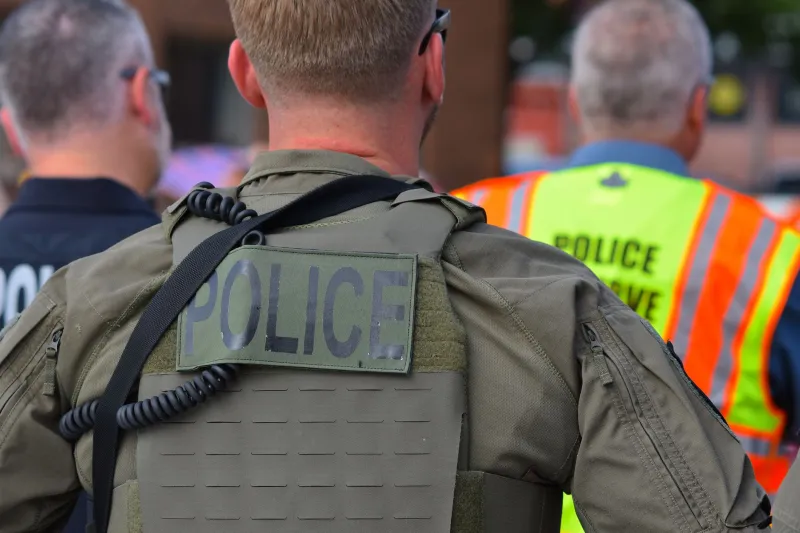
Between the Approved List and the Beat: The Real Loadout of Britain's Response Officers
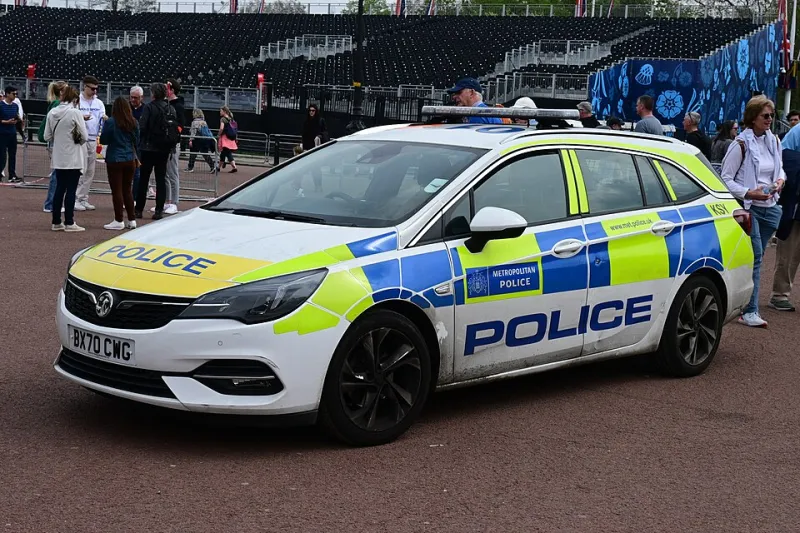
Photo: Hullian111, CC BY-SA 4.0, via Wikimedia Commons
Ask a response officer to empty their kit bag at the end of a shift and you will rarely see two identical piles. Despite standardised issue lists, the reality on British streets in 2025 is a patchwork of force-issued equipment, personal purchases and quiet modifications — a discrepancy that should matter to every procurement professional in the sector.
What the Issue List Says
On paper, the loadout is tightly defined. A typical response officer carries a personal radio with encrypted capability, a rigid handcuff set, PAVA or CS irritant spray (subject to force authorisation and training), a baton, body-worn video, first aid kit including tourniquet and chest seals, and the mandatory body armour — usually a stab-resistant vest with a ballistic option carried in the vehicle.
Add footwear, gloves, a torch, notebooks, and vehicle-mounted equipment such as road traffic collision signage and defibrillators, and the picture appears comprehensive. It is, by most standards, among the better-equipped uniformed roles in Europe.
Where the Gaps Appear
The problems emerge in the detail. Officers we spoke to across three forces — speaking on condition of anonymity — raised recurring themes:
Comfort-driven substitutions. The most commonly self-purchased item is footwear. Standard-issue boots are frequently replaced with privately bought alternatives within months, with officers citing blisters, ankle support and breathability as the deciding factors. One response officer in the Midlands described spending "well over £200 of my own money" on boots the force would not reimburse.
Load carriage. Vest and belt configurations vary enormously between forces, and officers routinely reposition pouches, add aftermarket holsters or purchase additional retention devices. Anything that slows access to a radio or first aid kit is a genuine operational risk.
Thermal regulation. Layers designed for UK winters often prove inadequate for sustained foot pursuit or public order work. Several officers reported buying their own moisture-wicking base layers because issued thermal kit was either too bulky or unavailable in sufficient quantity.
Tourniquets and trauma kit. Perhaps the most serious finding: some officers carry personally purchased tourniquets because issued stock is stored in vehicles rather than on the person. In a catastrophic bleeding scenario, seconds matter — and the kit in the car park is no use at the scene.
What Procurement Should Take From This
For buyers reviewing supplier contracts, these gaps point to several practical actions:
- Engage serving officers in product trials. Comfort drives compliance. A vest that sits in the locker because it is uncomfortable offers no protection at all.
- Specify on-body, not in-vehicle, for trauma kit. Contracts should reflect how equipment is actually used.
- Budget for footwear properly. It is the single most-substituted item, and the replacement market is unregulated — an officer buying online may end up with non-safety-rated footwear.
- Review load carriage holistically. Vest, belt, radio and PPE should be specified as a system rather than as separate line items.
The Wider Picture
None of this suggests forces are failing. Budgets are finite, and Home Office-approved procurement routes exist for good reasons of safety and liability. But the distance between the approved kit list and the loaded kit bag is a measurable quantity — and it is one that suppliers, buyers and forces can close together.
At Police Orders, we work with forces and suppliers to align specifications with operational reality. If your contract review is coming up, start by asking the people who wear the kit. They will tell you exactly where the gaps are.