Twelve Months, One Vest: A Wear Diary of the Hi-Vis Jacket
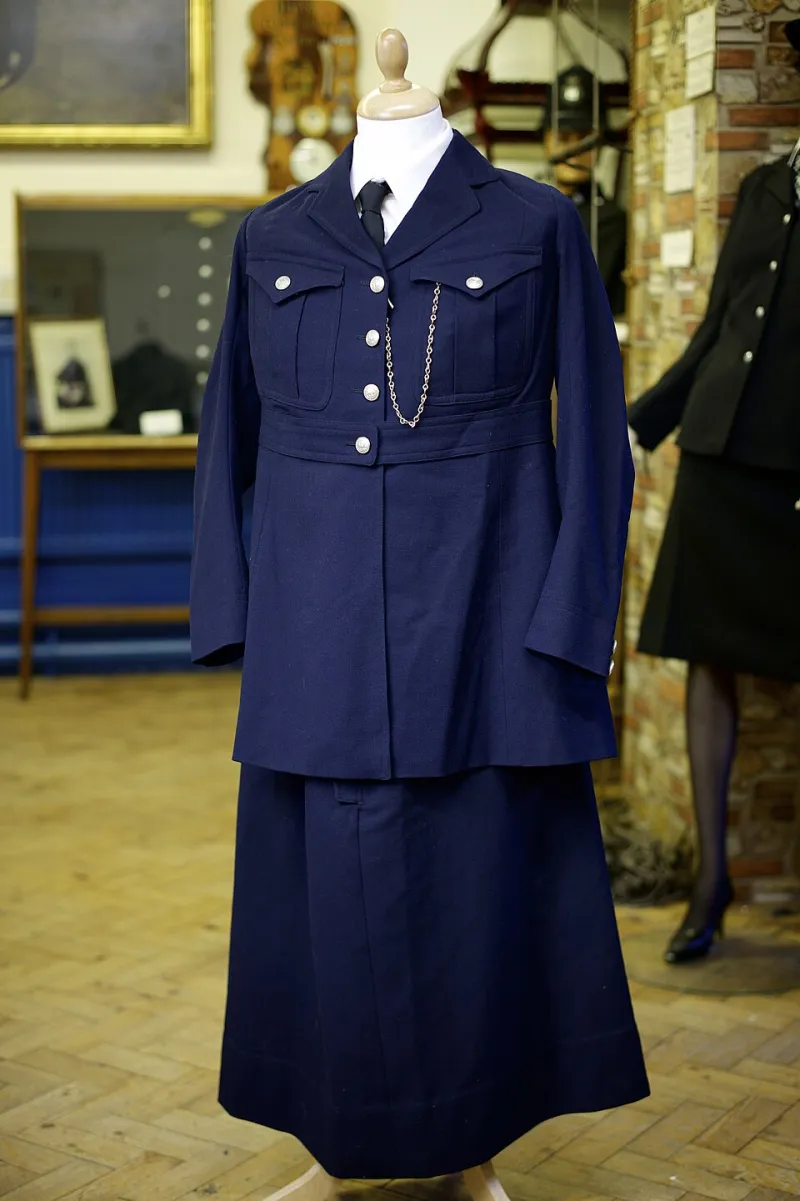
Photo: Tessa Bury, CC BY 4.0, via Wikimedia Commons
The Vest on the Front Line
Every hi-vis vest issued to a response officer, traffic officer or community support officer in the UK carries a quiet promise: that the reflective banding will do its job whenever it's needed. Unlike boots or body armour, the vest rarely gets a second thought. It's issued, worn, washed, and eventually replaced — but nobody quite knows when, or why.
To find out, we followed one standard-issue hi-vis vest through twelve months of frontline use. It belonged to a response officer on a busy urban division, worn on shift and laundered under normal domestic conditions. Every fortnight it was photographed, measured and inspected against the requirements of BS EN ISO 20471. What follows is what a year actually does to the most overlooked item on the kit sheet.
Months One to Three: The Honeymoon Period
For the first quarter, the vest performed exactly as specified. The fluorescent fabric held its colour under street lighting and grey February skies alike, and the retroreflective tape returned headlamp glare crisply at fifty metres in the rain.
The first warning signs were cosmetic: pilling at the shoulders where a radio strap and body armour cover rubbed daily. Minor, yes — but abrasion is where every subsequent failure begins.
Months Four to Six: The Washing Machine Problem
The middle of the trial coincided with the vest's heaviest laundering cycle. Domestic washing at 40°C, occasionally with fabric softener — a common habit that accelerates fluorescent dye loss.
By month five, the yellow fabric had measurably faded when compared against a new reference sample. More significantly, the reflective tape began to show hairline cracking along the fold lines where the vest was stuffed into a kit bag between shifts. Under a torch test at night, the cracked sections returned noticeably less light.
Months Seven to Nine: The Quiet Failure
This is where the diary became uncomfortable reading. The tape cracking spread across both shoulder bands and the lower hem. The BS EN ISO 20471 standard sets minimum coefficients of retroreflection for new garments — but there is no routine mechanism in most forces for testing a vest in service.
In practical terms, an officer can be wearing a vest that looks acceptable under office lighting but fails to perform at a roadside incident after dark. We measured one shoulder band returning roughly half the retroreflective performance of its month-one baseline. Nobody had flagged it, because nothing looked obviously wrong.
Months Ten to Twelve: End of Life
By the final quarter, the vest was past any reasonable safety threshold. Tape delamination was visible at the hem, the fluorescent fabric no longer met its original chromaticity under daylight comparison, and seam wear at the side panels had begun. It was, by any objective measure, an item of clothing rather than a piece of protective equipment.
The total service life: roughly fifty wash cycles and around 1,800 hours of wear. The manufacturer's guidance, had anyone read it, would have suggested replacement considerably earlier.
Why This Is a Safety Issue Hiding in Plain Sight
Hi-vis garments are classified as PPE. A boot with a split sole gets replaced; a vest with dead reflective tape gets worn until it falls apart, because degradation is gradual and invisible in daylight. For traffic officers, night patrols and anyone working near moving vehicles, that gap between appearance and performance matters.
The fix is not more spending — it's routine inspection. We recommend the following checklist, which takes under a minute:
- Tape check: Run a fingernail along all reflective bands. Any cracking, peeling or delamination means the vest is due for replacement.
- Night test: Once a month, view the vest under headlamps or a torch at ten metres. Compare against a new vest if possible.
- Fabric check: Compare the fluorescent panels against a new reference garment. Significant fading indicates UV and wash degradation.
- Seam and strap check: Inspect side seams, shoulder joins and Velcro fastenings for wear.
- Laundering audit: Confirm washing instructions are being followed — no fabric softener, temperatures at or below 40°C, and no tumble drying unless the label permits it.
A Procurement Note
Forces and authorised buyers should also ask suppliers for wash-cycle ratings at point of purchase, and consider issuing replacement vests on a fixed cycle rather than on failure. The cheapest vest is not the cheapest option if it silently stops protecting the wearer eight months in.
The vest in our diary cost less than a patrol meal. But the lesson it taught was worth considerably more: reflective performance is not permanent, and the only way to know it's still there is to look for it.