Retired, Not Gone: Tracing the Second Life of Decommissioned Police Equipment
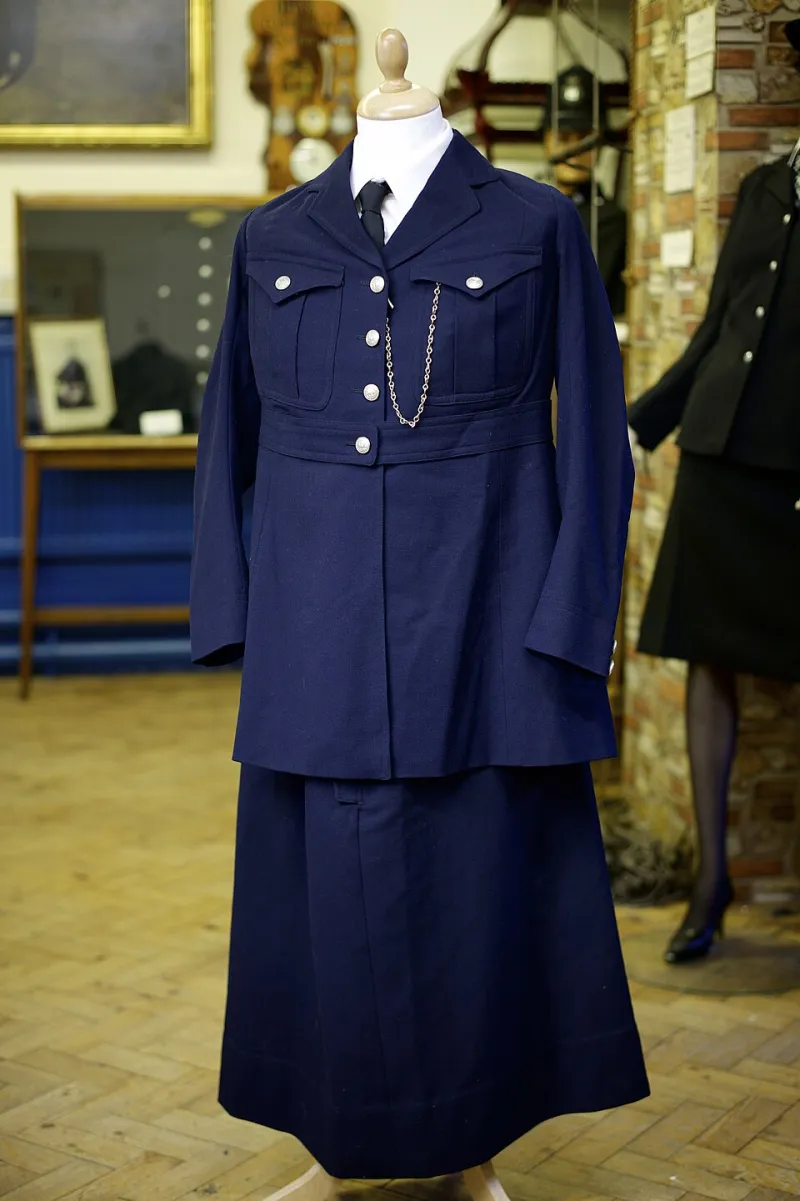
Photo: West Midlands Police from West Midlands, United Kingdom, CC BY-SA 2.0, via Wikimedia Commons
Every year, UK police forces retire thousands of items of equipment. Stab-resistant vests past their certified lifespan, tunics replaced by new contract uniforms, torches, batons and holsters superseded by the next framework award. The paperwork ends with a disposal note. But the kit itself rarely disappears — and where it goes next is becoming a genuine governance question.
The Official Route: Contracts and Certificates
Forces with significant volumes of surplus typically work through Ministry of Justice or Crown Commercial Service-approved disposal contractors. Textiles are shredded or recycled; metals are stripped; equipment deemed operationally sensitive is destroyed under certificate. On paper, this is a clean process. The contractor provides documentation, the force logs it, and the asset is closed off.
The difficulty lies in the edges of that process. Not every item is classified as sensitive, and classification varies between forces. A decommissioned baton is treated differently to a tunic — yet both carry insignia, both can be photographed, and both can be misrepresented by whoever ends up holding them.
The Grey Market Problem
Anyone who has searched an online marketplace for tactical gear will have seen it: British police-issue jackets with visible collar numbers, Hi-Tec patrol boots sold as 'ex-police', and occasionally items that should never have left force control at all. Some of this stock originates legitimately — obsolete items sold at auction decades ago, or genuine surplus from defunct contracts. A proportion does not.
The risks are practical as well as reputational. A uniform bearing force insignia in the wrong hands is an impersonation risk. Body armour sold on second-hand markets, even if degraded, invites questions about whether certification markings were properly defaced. And every listing feeds a small but persistent market in kit that makes 'police issue' a selling point rather than a warning.
Why Disposal Standards Are Being Reworked
Several forces have begun tightening internal procedures in response. Common measures include:
- Defacement before disposal — insignia, collar numbers and Velcro badge panels removed or rendered unreadable at the point of decommissioning, not left to the contractor.
- Destruction certificates for PPE — particularly armour and any item with NPCC-relevant marking, with audits to match certificates to inventory records.
- Consolidated disposal contracts rather than ad hoc local sales, reducing the number of hands kit passes through.
The direction of travel is clear: the end of an asset's life is being treated as part of the procurement cycle, not an afterthought.
What Buyers and Suppliers Should Note
For authorised suppliers, the resale question matters commercially. A force that cannot demonstrate clean disposal of old kit will hesitate to award the contract for new kit. Suppliers who can offer take-back schemes, certified destruction or buy-back of decommissioned items as part of a tender response increasingly hold an advantage — it closes the loop and removes the force's exposure.
For legitimate collectors and security buyers, the message is equally simple: provenance is everything. Kit without documentation is kit you cannot defend owning.
Closing the Loop
The afterlife of police equipment is no longer a warehouse footnote. As scrutiny of surplus sales grows and marketplaces make every listing visible, forces are learning that how kit is retired reflects on the force as much as how it is issued. The disposal certificate, once an afterthought, is becoming as important as the purchase order that started it all.