Unofficial Issue: The Kit Officers Add When the Approved List Isn't Enough
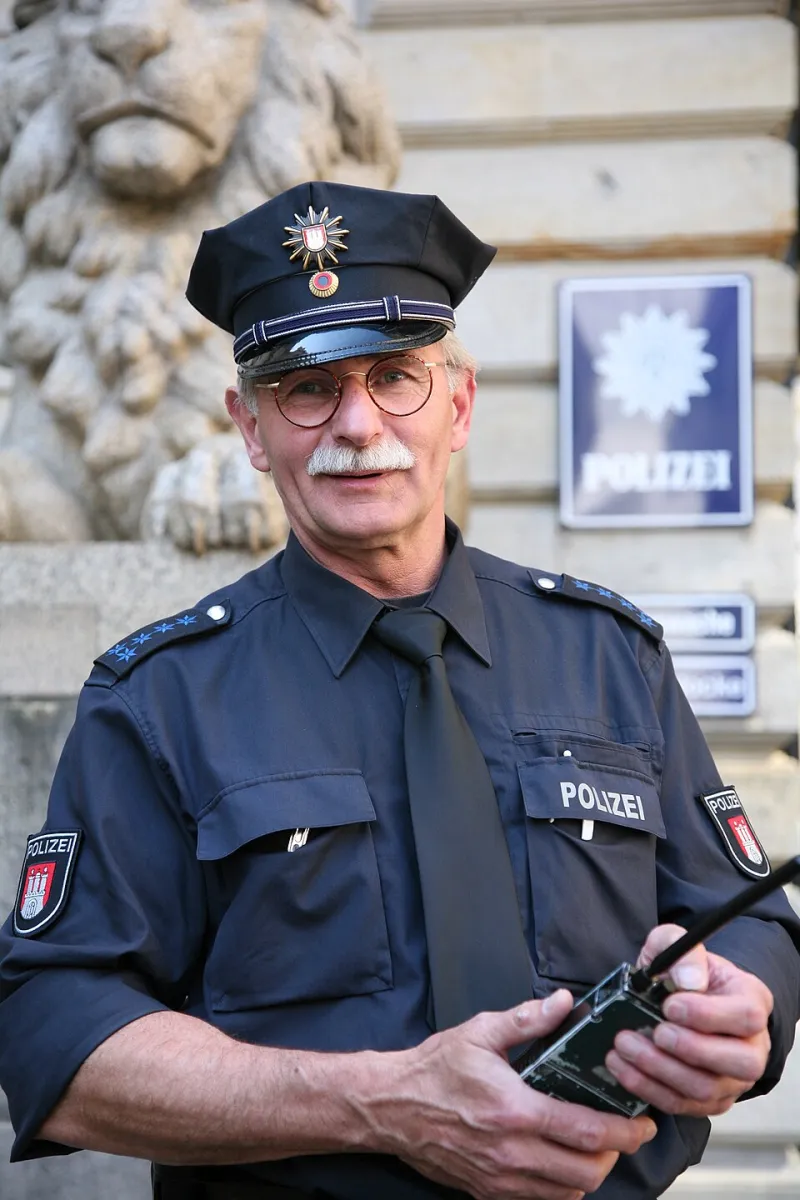
Photo: Daniel Schwen, CC BY-SA 2.5, via Wikimedia Commons
The Inventory Nobody Asks For
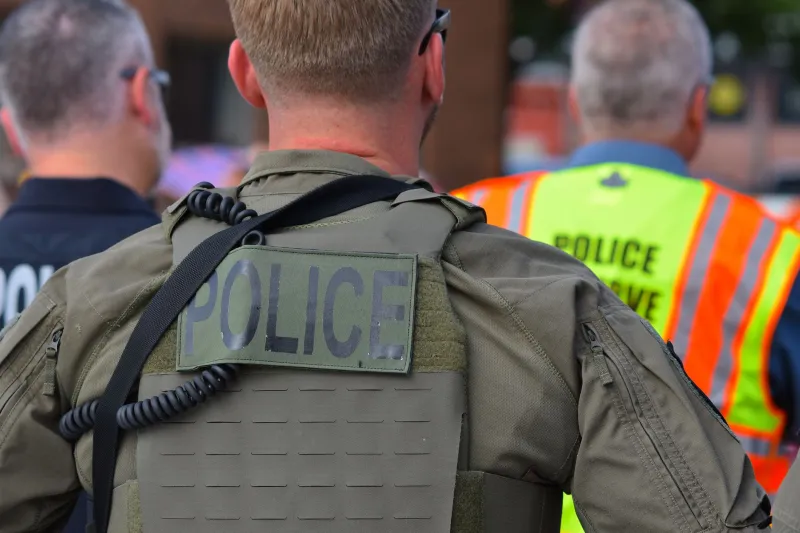
At half three on a February morning in a midlands town centre, the formal kit list is a document. The real kit list is whatever is clipped, stuffed or taped onto the officer standing at the cordon. Speak privately to serving response officers across a handful of forces and a strikingly consistent picture emerges: the approved issue is the foundation, but the working loadout is personal, improvised and largely invisible to procurement.
One officer with nine years' service described the contents of their kit bag without hesitation: two carabiner hooks — one for the torch, one for the keys that always get dropped at the worst moment — a spare AAA torch in the vest's lower pouch, a foil blanket 'just because', and a couple of energy gels left over from a charity half marathon. None of it appears on any force inventory. All of it gets used weekly.
The Gap Between Issue and Use
The pattern across our conversations is telling. Officers are not rejecting their issue equipment; they are supplementing it at specific pressure points. The most commonly cited additions fall into four clusters:
- Carry and retention — carabiners, retractable lanyards and spare key rings that solve the eternal problem of kit that must be reachable but not loose.
- Lighting redundancy — a second, smaller torch, because primary torches fail, get borrowed or get left in vehicles.
- Sustenance — energy gels, glucose tablets and protein bars for shifts where the meal break evaporates.
- Comfort and superstition — a particular pair of glove liners, a lucky pen, a photograph laminated against the rain. The last category matters less for function than for morale, but it occupies the same pocket space.
Each addition is a quiet verdict on the formal kit. Officers do not modify equipment that works.
What the Modifications Are Actually Saying
Read commercially, this improvised catalogue is a requirements document written in real time by end users. The carabiner habit signals that current webbing and belt configurations do not offer enough modular attachment points — or that the ones provided are poorly placed for left-handed or shorter-framed officers. The spare torch signals a durability or battery-life shortfall in standard issue lighting. The gels signal that forces have not solved the welfare logistics of long incidents, so individuals solve it themselves.
For suppliers, the opportunity is not to sell officers trinkets. It is to design the official version of what they have already built unofficially: molle-compatible torch holders with integrated quick-release hooks, duty torches with genuinely reliable cell chemistry, compact nutrition included in patrol kit bundles rather than left to the officer's own foresight.
The Procurement Blind Spot
Why does this gap persist? Partly because procurement processes test equipment against specifications, not against the full texture of a shift. A vest that passes a stab-resistance standard may still lack a single pouch that suits a radio, a body-worn camera and a set of gloves simultaneously. Partly because officers rarely have a formal channel through which to say 'I carry this instead' — the insight stays in locker rooms and WhatsApp groups.
There is also a cultural wrinkle. Some forces take a dim view of non-standard additions, particularly anything attached to defensive equipment. That tension pushes the informal loadout further out of sight, which makes it harder for both forces and suppliers to learn from it.
Closing the Loop
The practical suggestions are unglamorous. Survey officers on what they carry that isn't issued, and treat the answers as product requirements. Trial accessories alongside core equipment rather than treating them as afterthoughts. Make small, low-cost additions — a better hook, a brighter backup light — part of the standard offer so officers stop buying them from fishing shops and outdoor retailers on their own time.
At 3am, nobody is checking the kit list. What is on the officer, beyond the issue, is what they have decided they need. Suppliers who take that unofficial inventory seriously will find it more honest than any tender document.